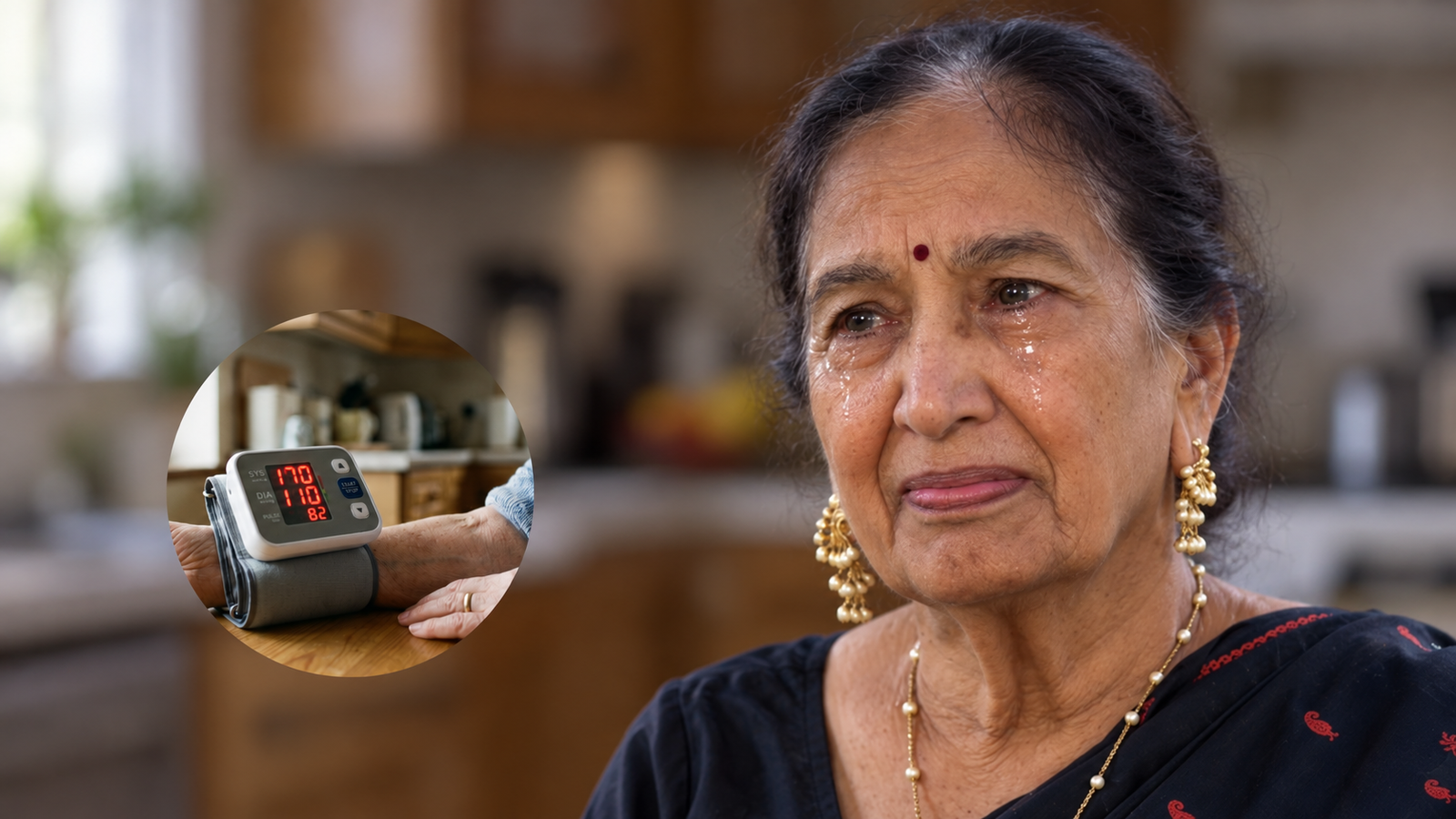
A terrifying health crisis involving the mother of Dr. Sanjay — one of America's most recognized medical correspondents — became the starting point of a surprising investigation into stubborn high blood pressure.
In the story, his mother spent years taking Losartan, cutting out salt, and walking every day. Yet her blood pressure readings remained dangerously high, until a family celebration ended in a frightening heart attack.
No stent surgeries. No complicated procedures.
The investigation led to Okinawa, Japan, where an unusual natural method known as the "Okinawa Watermelon Ritual" became the center of attention for its proposed benefits for blood circulation and blood pressure.
The protocol combines Japanese watermelon, honey, and garlic, highlighting natural compounds involved in vascular health.
But how did a simple Japanese watermelon become the centerpiece of a ritual attracting so much curiosity?
The most surprising part is how familiar the ingredients are. You probably already recognize everything used in this unusual combination.
So, if you're tired of struggling with stubborn high blood pressure, feeling exhausted when climbing stairs, or living like a "ticking time bomb", terrified of your next reading...
...you're definitely NOT alone.
To investigate this mysterious Japanese ritual, the following dramatized conversation takes us to Okinawa, where researcher Dr. Ozimara discusses the ingredients and the theory behind the protocol.

Sarah Afonsi: Doctor, millions of Americans take Losartan, Lisinopril, and other blood pressure medications every single day. They cut out salt, walk for miles, and follow strict diets.
So why do so many people still struggle with frightening blood pressure readings?

Dr. Ozimara: Sarah, because there's a question almost nobody thinks to ask.
What Is Actually Happening Inside Your Arteries?
Think of your blood vessels like flexible garden hoses. When they're healthy, blood flows through them with less resistance.
But when those vessels become stiff, the heart can face greater resistance as it tries to push blood through.
And that's where a controversial theory in this investigation comes in.
It involves microplastics, fibrin, and calcium — materials described in the promotional presentation as contributing to a hardened buildup called...
Arterial Cement.
That's the villain at the center of this story. And understanding how blood vessels work is the first step toward asking the right questions about blood pressure.

Sarah Afonsi: That's fascinating, Doctor. But if arterial stiffness is such an important part of this problem, what did you discover in Okinawa that makes this Japanese ritual so different?
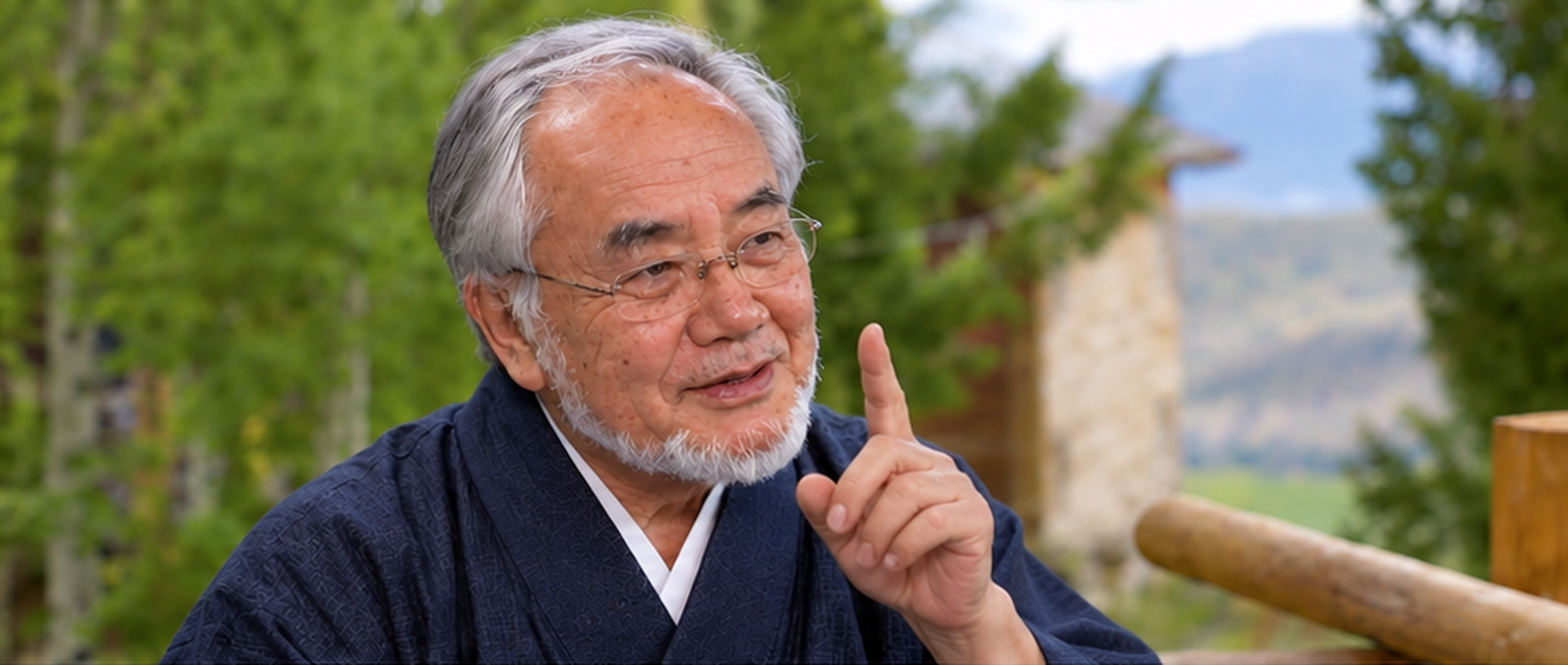
Dr. Ozimara: Sarah, the most unexpected part of this entire investigation involves something millions of Americans eat every summer.
Watermelon.
But the Okinawa story focuses on a special Japanese watermelon and the natural compounds found inside it.
One of them is L-citrulline, which participates in the body's production of nitric oxide — a molecule that helps blood vessels relax.
And that's only one piece of the formula.
The proposed ritual also includes honey and garlic, bringing together three ingredients in what its creators call the...
Okinawa Watermelon Ritual.
The presentation claims this combination addresses the so-called arterial cement while supporting healthier vascular function. The remarkable promise is what makes the method so intriguing — and why its actual effects deserve a closer look.

Sarah Afonsi: Doctor, people watching this are probably wondering the same thing.
Can anyone learn this Okinawa Watermelon Ritual? And what exactly makes the combination of these three ingredients so special?

Dr. Ozimara: Sarah, the fascinating part is that the ingredients themselves aren't unfamiliar.
It's the proposed combination of their natural compounds that makes this ritual stand out.
The watermelon provides L-citrulline and lycopene. The garlic contains compounds such as allicin. And the honey completes the traditional-inspired recipe presented in the video.
But there's much more to understand about how these ingredients work — and whether the claims surrounding this ritual hold up.
That's why we've prepared a special video explaining the Okinawa Watermelon Ritual, the role of each ingredient, and the theory behind the so-called arterial cement.
If you want to discover why a Japanese watermelon became the centerpiece of this investigation into high blood pressure, watch the complete video now.